Articles
How to Choose a Website Platform — What Actually Matters
Jan 21st 2026
Choosing a website platform is easy. Getting real value out of it is not. This article breaks down today’s main platforms and explains what actually matters beyond the tool.
Most people arrive at the same conclusion at some point: “Our website isn’t great. We probably need to change platform.”
Sometimes that’s true. Often, it’s not.
We’ve seen websites rebuilt on shiny new tools only to end up with the same issues a year later: messy content, weak SEO, slow performance, and a team that’s afraid to touch anything in case it breaks. The platform changed. The results didn’t.
That’s because website value doesn’t come from the tool alone. It comes from how that tool is used — strategically, structurally, and consistently — by the people behind it.
A quick map of today’s main website building platforms
There are more ways than ever to build a website, but most platforms sit somewhere along a spectrum.
On one end, you have tools optimized for speed and accessibility. On the other, platforms built for flexibility, structure, and long-term growth. None of them are inherently “better” — they’re designed for different contexts.
The first real mistake is choosing a platform based on trends, recommendations from unrelated businesses, or what feelseasiest in the short term, without understanding what it implies six months or two years down the line. The second is trusting freelancers or agencies with no long-term vision — teams that promise the moon, ship generic templates, and disappear once the site is live, leaving you with a shiny but fragile website.
Before diving into specifics, it helps to look at platforms not as competitors, but as different answers to different problems.
Webflow: structure, control, and long-term flexibility
Webflow is often described as a design tool, but in practice it’s closer to a front-end system builder.
It shines when websites need:
clear content structure,
scalable CMS logic,
strong performance,
and proper SEO foundations.
The upside is a high level of control without relying on plugins or hacks. When set up well, Webflow supports complex layouts, evolving content, and marketing-led teams that need to iterate without rebuilding everything from scratch.
The trade-off is that Webflow demands intention. Without a solid structure, naming logic, and governance, it’s easy to create a site that looks good but becomes painful to maintain.
Used properly, Webflow becomes infrastructure. Used casually, it’s just another editor.
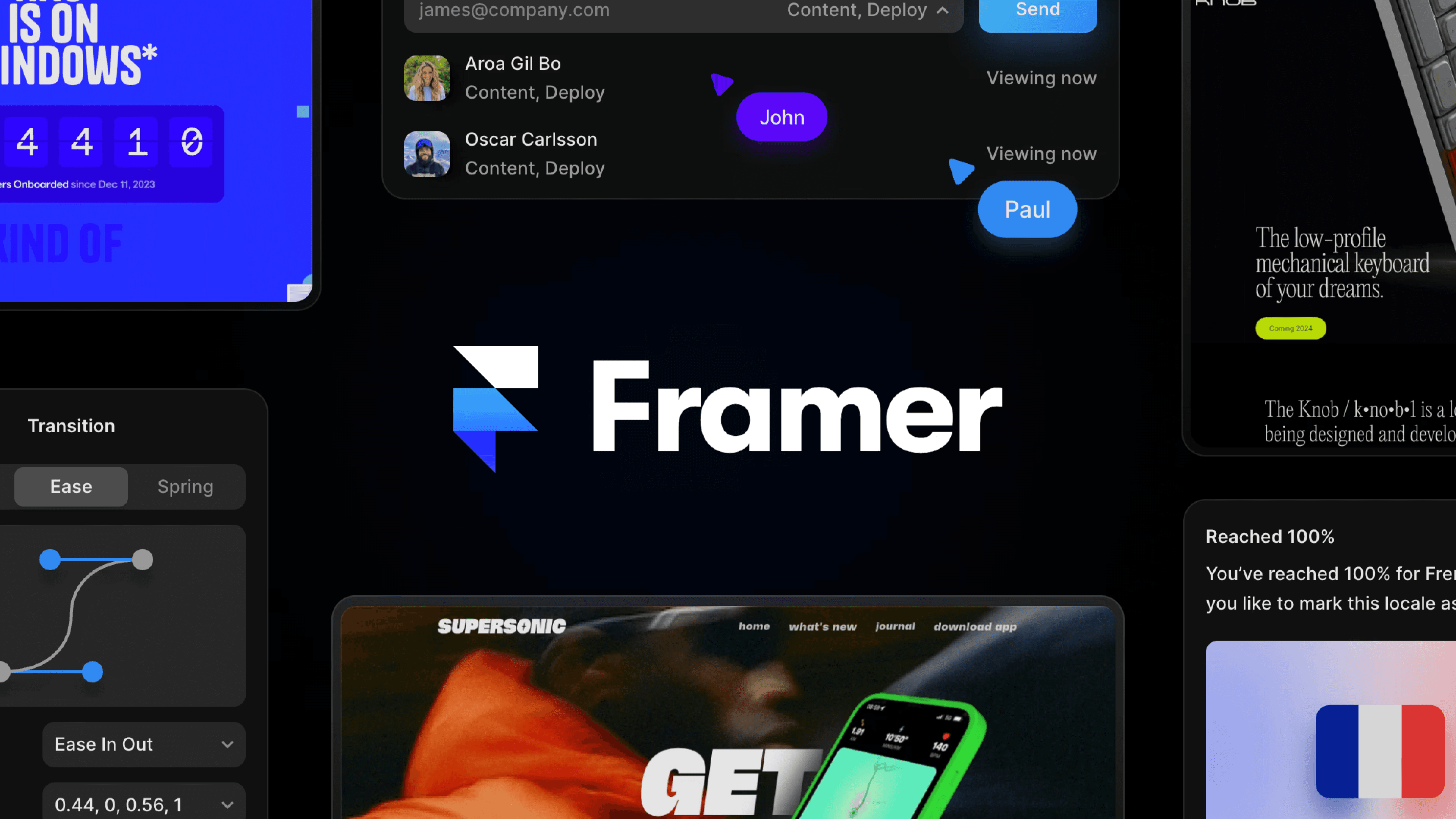
Framer: speed, interaction, and design-led execution
Framer is built for momentum.
It’s particularly strong for teams that value:
rapid iteration,
expressive motion and interaction,
and fast time to launch.
For startups, landing-page ecosystems, or highly visual projects, Framer can be incredibly effective. Designers can move quickly, test ideas, and ship polished experiences without heavy technical overhead.
Where Framer starts to show limits is in deeper content models and long-term complexity. As sites grow in pages, logic, and editorial needs, structure becomes more important than speed alone.
Framer is excellent when storytelling and agility matter most — as long as expectations are aligned with that reality.
WordPress: maximum flexibility, maximum responsibility
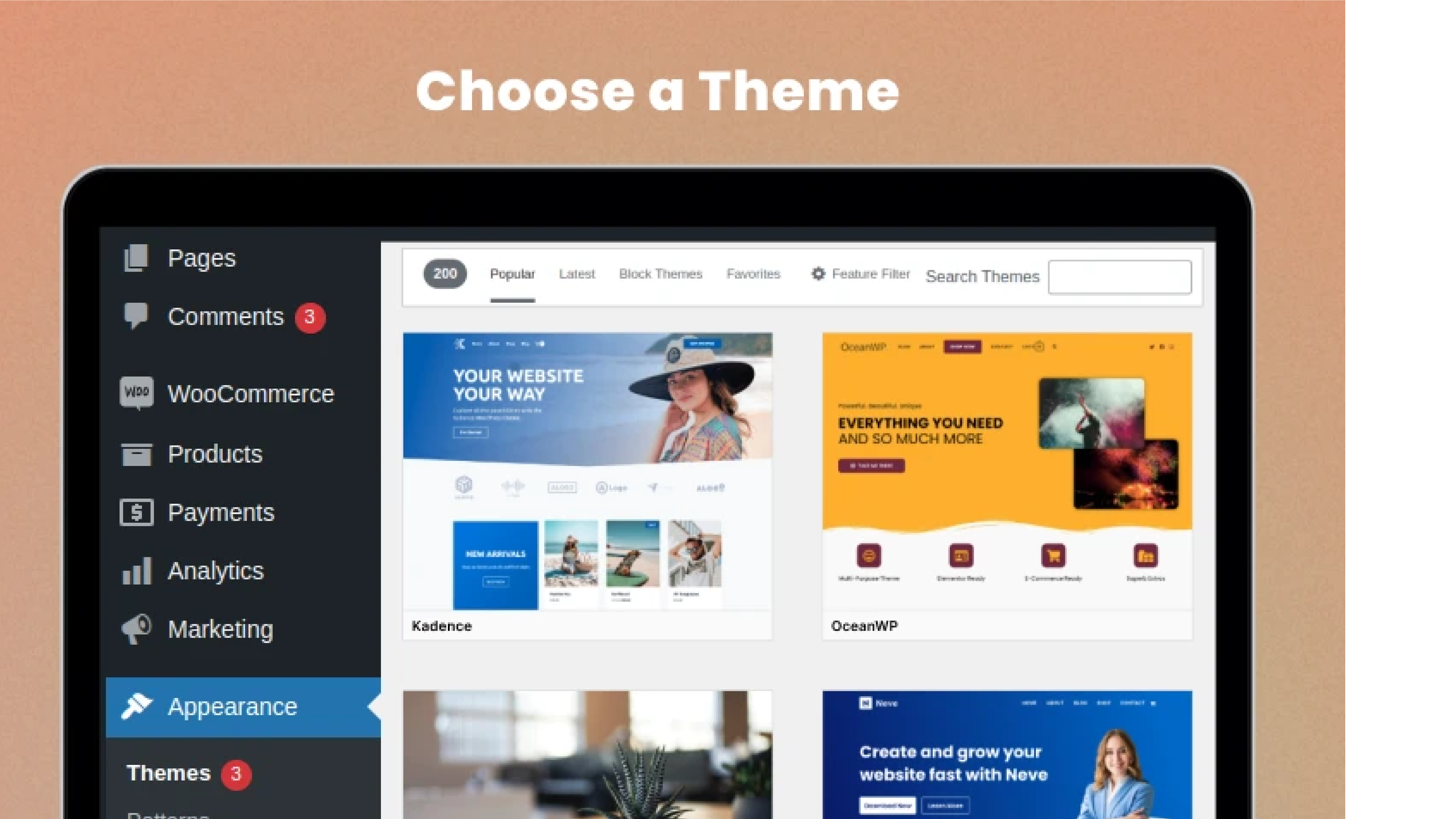
WordPress is still one of the most flexible platforms available — but that flexibility comes with strings attached.
It’s best understood not as a single tool, but as an ecosystem. Custom themes, plugins, integrations, and hosting decisions all shape the final result.
The advantage is control. Almost anything is possible with the right setup.
The cost is responsibility. WordPress websites require ongoing care: updates, performance optimization, security monitoring, and architectural decisions that compound over time.
Security and stability aren’t inherent problems — they only become problems when no one is actively managing them.
When WordPress works well, it’s because there’s a clear owner behind it. When it fails, it’s usually because it’s been left to fend for itself.
Wix: accessibility and speed for simple needs
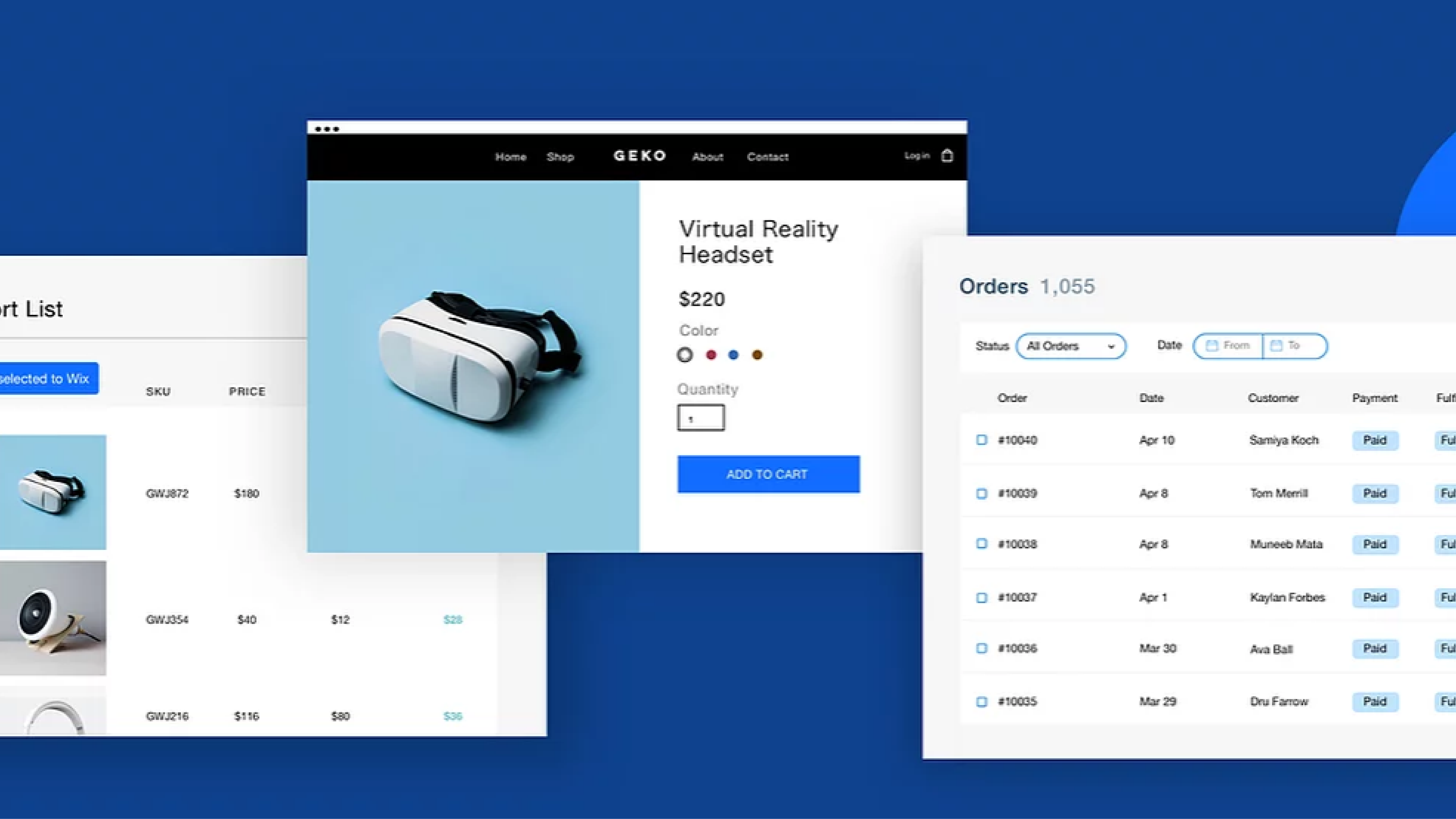
Wix is often underestimated — and sometimes overextended.
It’s a solid option for:
small businesses,
early-stage projects,
and straightforward websites that need to exist, not evolve rapidly.
Its biggest strength is accessibility. You can get something live quickly, with minimal setup and low technical friction.
The limitation appears when businesses grow. As content scales, SEO needs deepen, or performance becomes critical, Wix can start to feel restrictive.
Wix isn’t a bad choice. It’s just a bounded one.
Why changing platforms won’t fix a bad website
This is where most decisions go wrong.
A website is not just what you see on the screen. What really determines its effectiveness lives underneath — and that layer is rarely addressed when people rush into a rebuild.
Think of it like an iceberg:
above the surface: visual design, UI, animations,
below the surface: content structure, SEO, analytics, performance, governance.
Most platforms can support good design. Far fewer websites are built with equal care below the surface.
This is also where the second mistake shows up again. When a website is built quickly, with generic templates and no long-term thinking, the invisible layers are usually the first to be ignored. Things work just enough to launch — but not enough to last.
A great platform used badly will still produce a bad website.
Without clear content models, SEO strategy, performance discipline, and ownership after launch, switching tools simply relocates the same problems to a new interface — often with higher expectations and the same disappointing results.
How to actually choose a website platform (and where the real value comes from)
Choosing a platform should start with questions, not preferences:
What does the website need to achieve in the next 12–24 months?
How often will content change, and who owns those updates?
How critical are SEO, analytics, and performance to the business?
How complex does the content structure need to be?
These questions help narrow down tools — but they don’t guarantee results.
The real value appears after launch. In how the site is maintained, improved, measured, and adapted over time. In whether someone is actively thinking about structure, clarity, search visibility, and performance instead of just visual tweaks.
Platforms don’t create value. People do.
The difference between an average website and a high-performing one is rarely the tool itself. It’s the team behind it — the people who understand the platform deeply, connect it to business goals, and treat the website as a living system rather than a finished deliverable.
When that layer is missing, no platform can save the website. When it’s present, almost any platform can work — and keep working as the business grows.
Cover by Attlas