Articles
AI: The Best Intern You’ll Ever Have
Aug 14th 2025
AI isn’t here to steal your job—unless you’re just sipping coffee and flirting with your coworker.
The Fear vs. The Reality
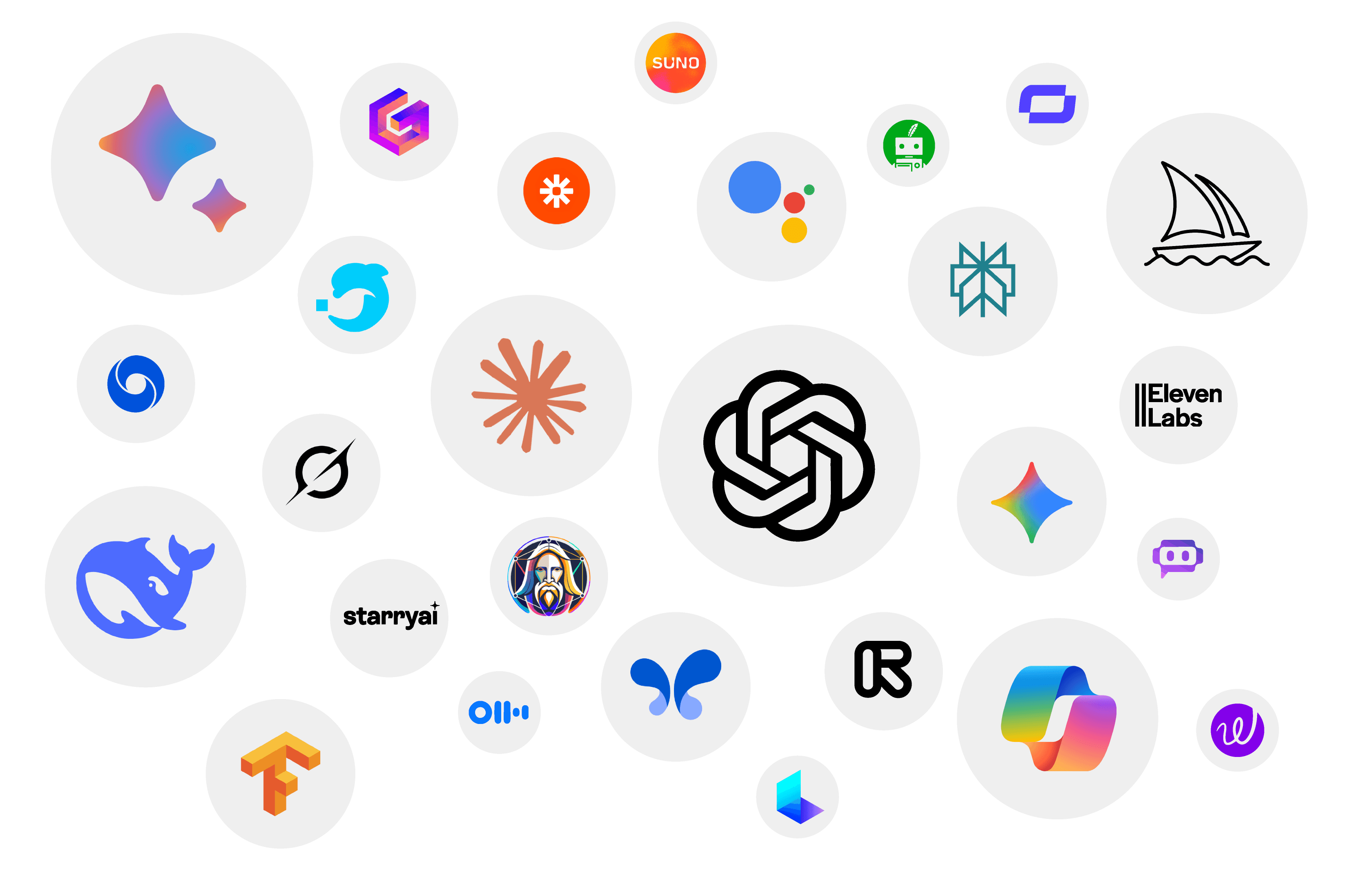
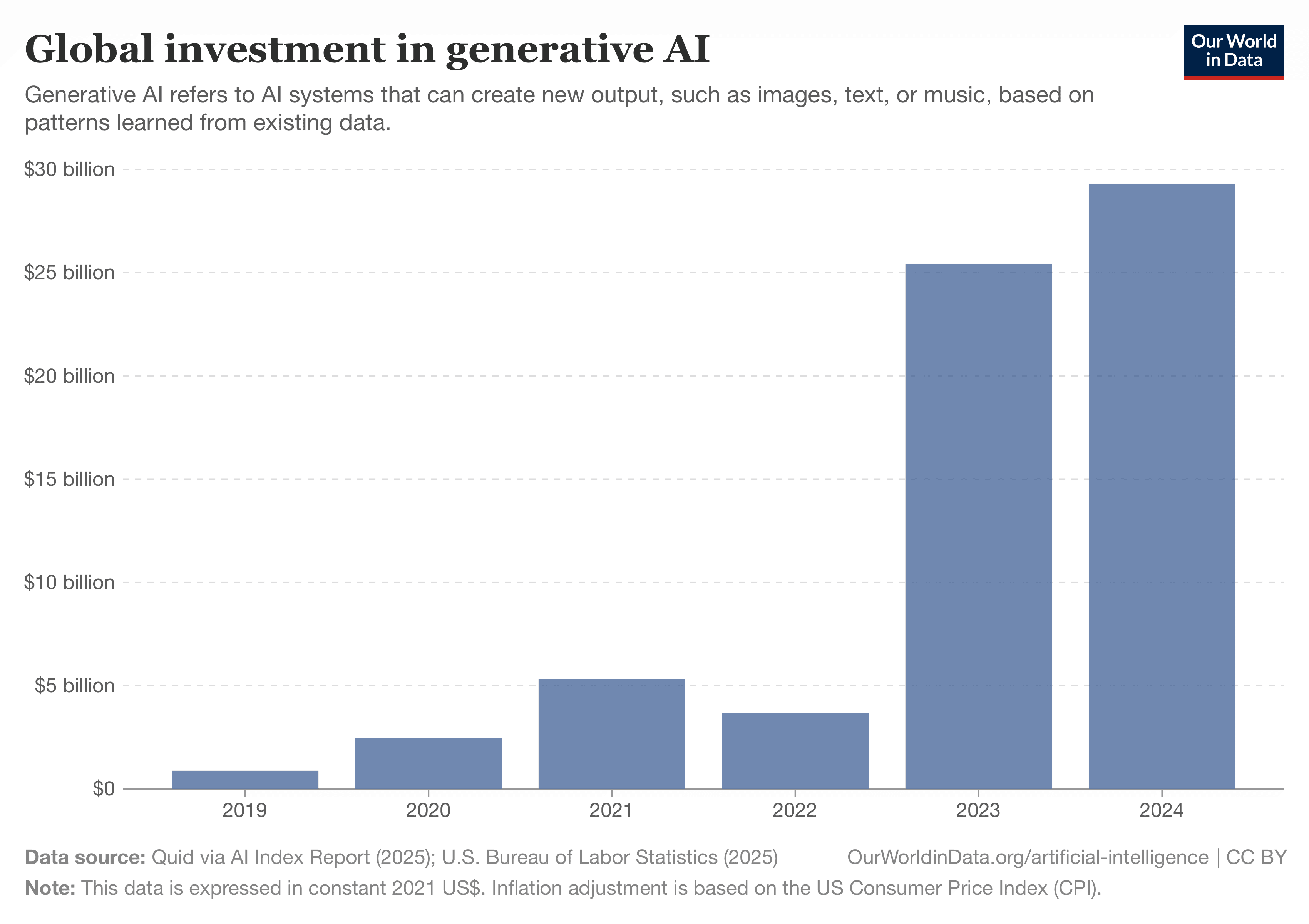
There are now more than 1,000 AI tools publicly available, with new ones launching almost daily. That’s a lot of potential “interns” waiting for someone to give them meaningful work. Yet, despite this surge, the fear in creative industries remains the same: “AI is going to put us out of work.” The same way Photoshop supposedly destroyed illustration in the 90s—by making those who refused to adapt obsolete.
The truth? AI isn’t coming for the talented, it’s coming for the uninspired. The designers who treat briefs like checklists instead of creative challenges will feel the impact first. If your work is genuinely thoughtful, human, and connected to real audiences, AI won’t replace you—it will empower you. But if your portfolio is a recycled Pinterest board with your logo on top, then yes—start sweating. Because AI can already do that faster, cheaper, and without stopping for a latte.
AI as the Ultimate Intern
The role of AI in design isn’t to eliminate humans, but to eliminate inefficiency. It’s the ultimate intern: no sleep, no health insurance, no complaints, and a knack for executing tasks faster than you can brief them. Some tools can generate 100 layout variations in under a minute or test 500 color palette combinations before you’ve even opened Illustrator.
But here’s the catch: the best intern still needs a mentor. An intern eventually grows into a creative; AI doesn’t. Without a human directing it, AI outputs lack cultural context, emotional nuance, and storytelling depth. A perfect gradient means nothing if it’s in the wrong emotional register for the campaign. Left unchecked, AI can produce visuals that look polished but feel hollow—a kind of visual fast food.
Speed Meets Strategy
When used well, AI accelerates the production process, giving creatives more time for concept development, brand storytelling, and refining the nuances that make a visual asset truly memorable. It can instantly explore multiple directions for a product photoshoot concept, generate fresh iconography for a brand refresh, or help visualize campaign storyboards in minutes. In a recent industry survey, 68% of creatives said AI has already helped them cut production timelines in half.
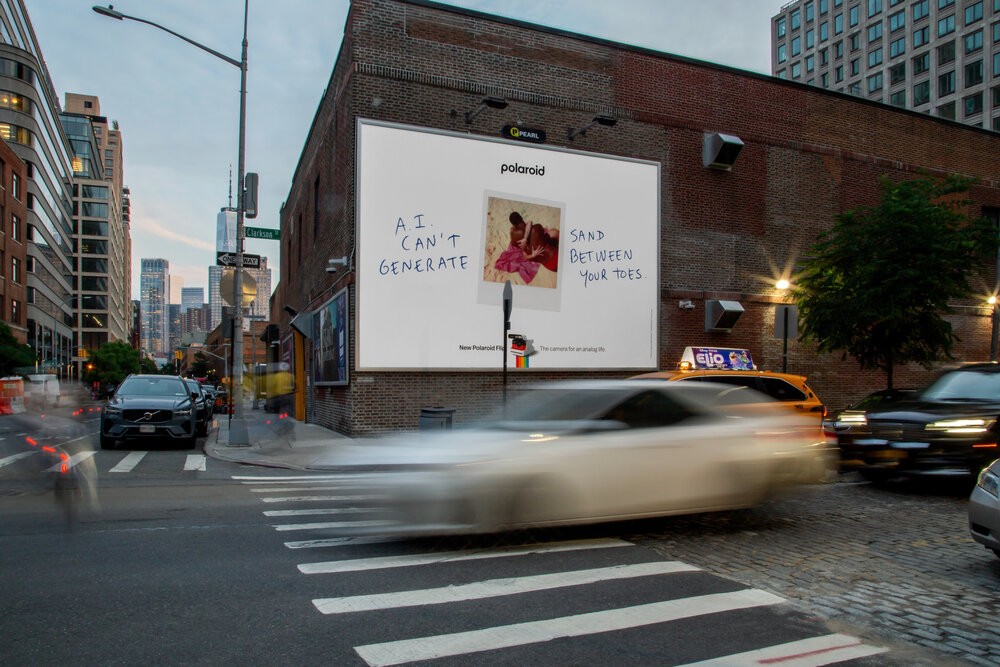
It’s not about replacing craftsmanship—it’s about freeing up bandwidth so the craft can go deeper. The decision to crop an image to create tension, to break typographic rhythm for emphasis, or to push a color palette beyond “safe” options? Those choices still require human instinct. AI can offer the possibilities; only you can choose the one that tells the right story and aligns with the brand’s truth.
Creativity’s New Power Couple
At Attlas, we treat AI as an upgrade, not a threat. It filters out mediocrity, frees our time from repetitive technical work, and enhances our ability to deliver strong, strategic, and human-centered design. It’s the fast muscle to our creative brain.
The organic touch—the subtle irregularities in typography, the choice to break a grid for emotional impact, the decision to under-saturate a hero image to convey nostalgia—these aren’t accidents, and AI doesn’t invent them. They come from designers who understand how people see, feel, and connect.
AI doesn’t kill creativity—it kills laziness disguised as creativity. And honestly, that’s an improvement for everyone. The future isn’t man or machine—it’s man with machine, pushing the boundaries of what design can do, whether it’s in fashion, campaign work, photography, packaging, or any other creative discipline.
P.S.
Yes, an AI wrote this article. But it didn’t decide what to say, how to say it, or why it matters—that part is all human. And that’s the point.