Articles
Do I Need a Rebrand? 7-Question Brand Checklist
Dec 9th 2025
If you’re asking “do I need a rebrand?”, this simple 7-question checklist will help you see if you’re ready for a full rebrand, a lighter refresh, or if your brand is fine for now.
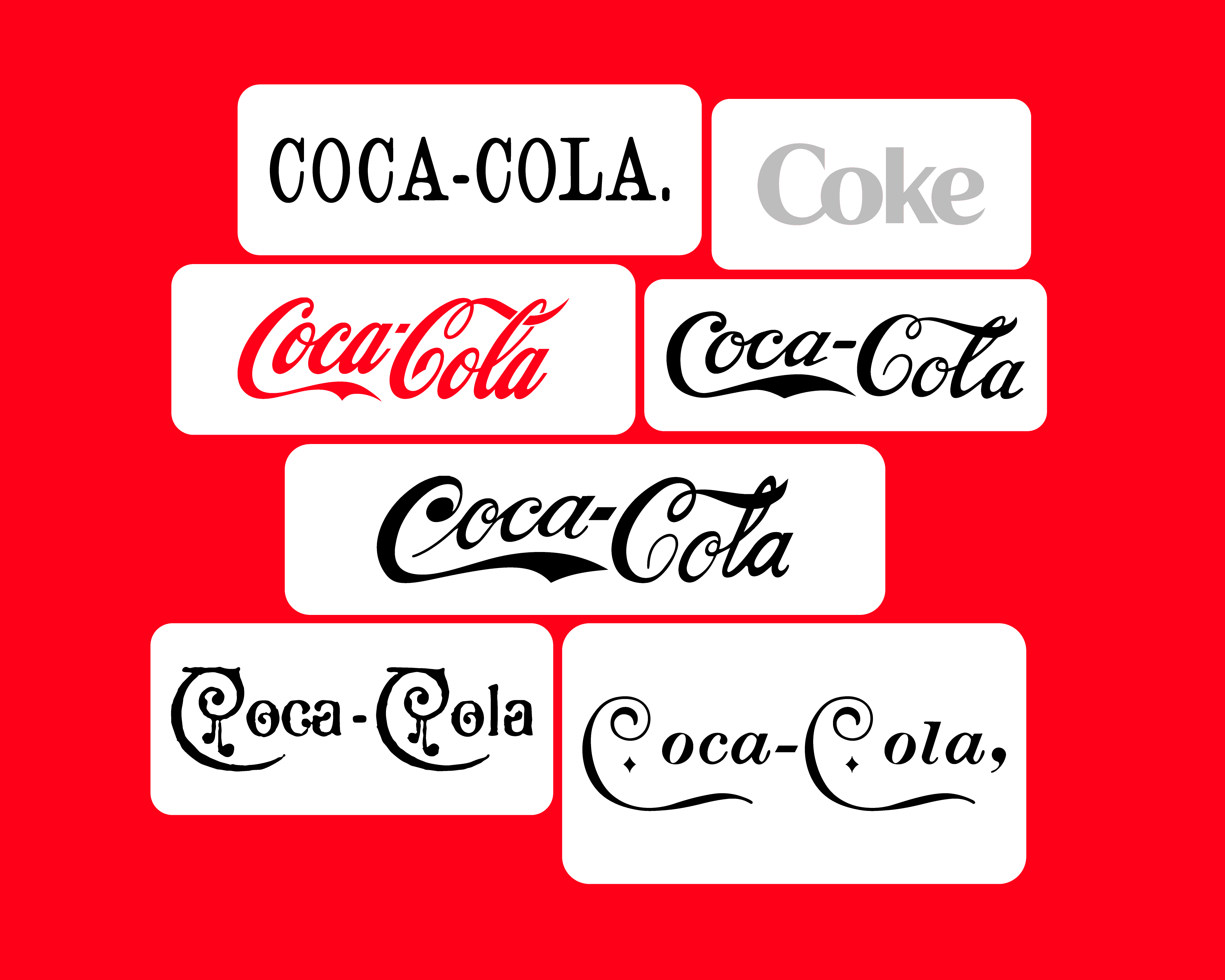
Every few years, the same doubt pops up: “Our brand feels… old. Do we need a rebrand?”
Sometimes that instinct is right. Sometimes it’s just boredom.
In this article, we’ll walk through a simple, honest checklist to answer the big question: do I need a rebrand or just a lighter brand refresh? By the end, you’ll have a clear score and some practical next steps.
Rebranding vs brand refresh: what’s the real difference?
Before we jump into the checklist, we need to align on language.
A rebrand is a deeper change. It usually involves:
revisiting your positioning and strategy,
redefining how you talk about what you do,
creating a new or significantly evolved identity (logo, typography, colors, tone of voice) to match that.
It’s what you do when the company itself has changed, or when the current brand is holding you back.
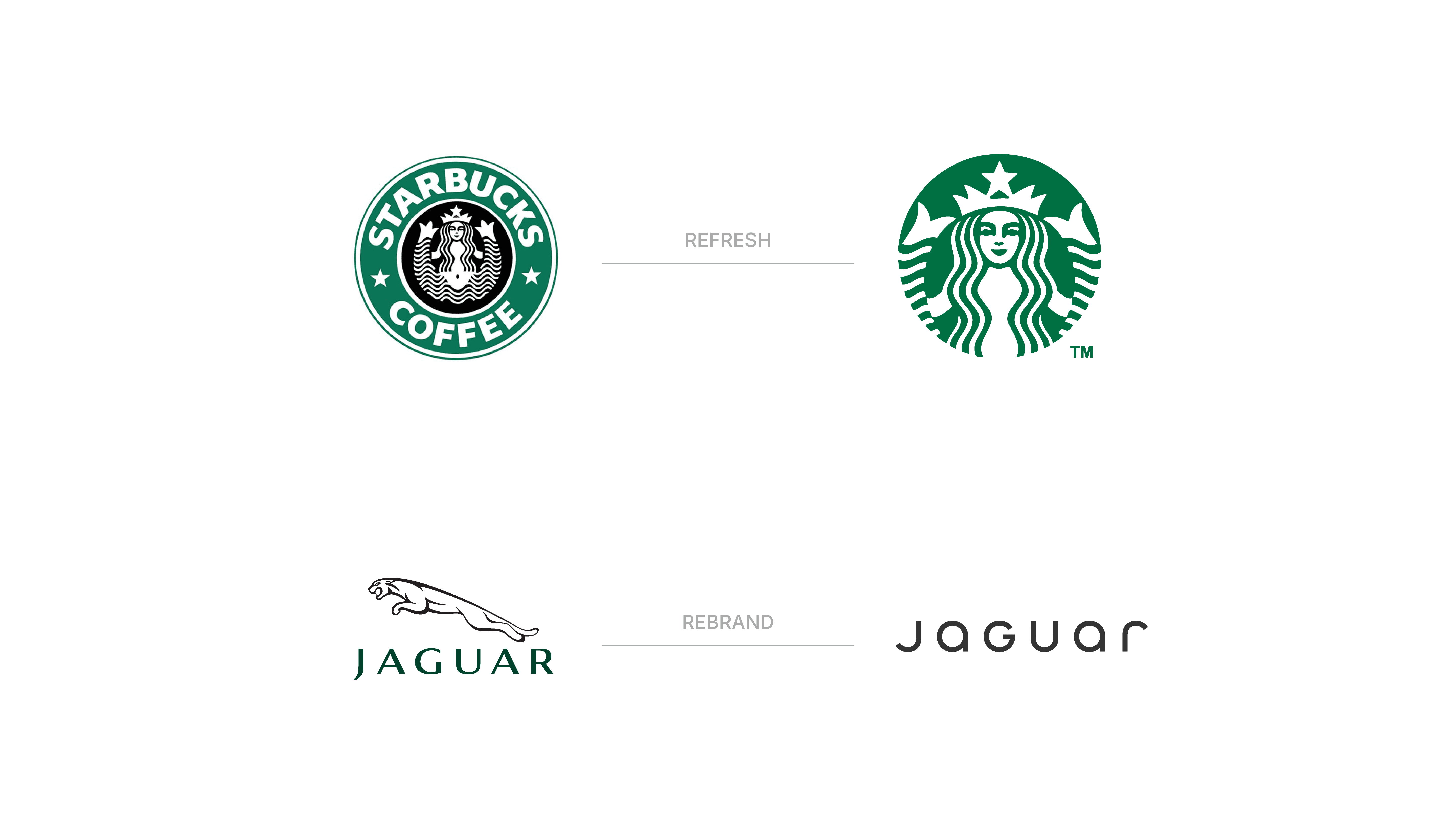
A brand refresh is more like a renovation than a rebuild. It might include:
updating typography and layout,
refining the color palette,
cleaning up your logo and applications,
tightening tone of voice and messaging.
The core is still the same — you’re just bringing it to today.
Being bored of your logo is not a reason to do a full rebrand.
Think of something like Ferrero Rocher. The essence is strong and recognizable. It doesn’t need a different personality, just better, more modern expression in some touchpoints: typography, layout, digital usage. That’s a refresh, not a reinvention.
The 7-question checklist: do you really need a rebrand?
Here’s how to use this:
Read each question and answer honestly with YES or NO. Don’t overthink it.
The more strong YES’s you get, the closer you are to needing a rebrand (or at least a serious refresh).
1. Has your business changed more than your brand?
Maybe you:
added new services or products,
shifted from small local clients to bigger, international ones,
changed your business model or pricing.
But your brand is still telling the old story.
If clients often say things like “Oh, I didn’t know you also do X”, it’s a sign your brand is not reflecting reality anymore.
When your brand and your business are telling different stories, a rebrand might be on the table.
2. Are you attracting the wrong people?
Look at who shows up in your inbox:
Are they usually too low-budget for what you offer?
Do they expect something different from what you actually do?
Do you keep thinking “we’re not the right fit” on discovery calls?
Your brand is a filter. How you look and sound tells people if you’re for them or not.
If that filter is bringing in the wrong people, it’s not just a design issue — it might be a positioning and rebrandingissue.
3. Does your brand look clearly outdated in your category?
This is not about chasing every trend. It’s about not looking like you’re stuck in 2009.
Compare yourself honestly to:
your direct competitors,
adjacent brands your audience also sees (events, tools, services they use).
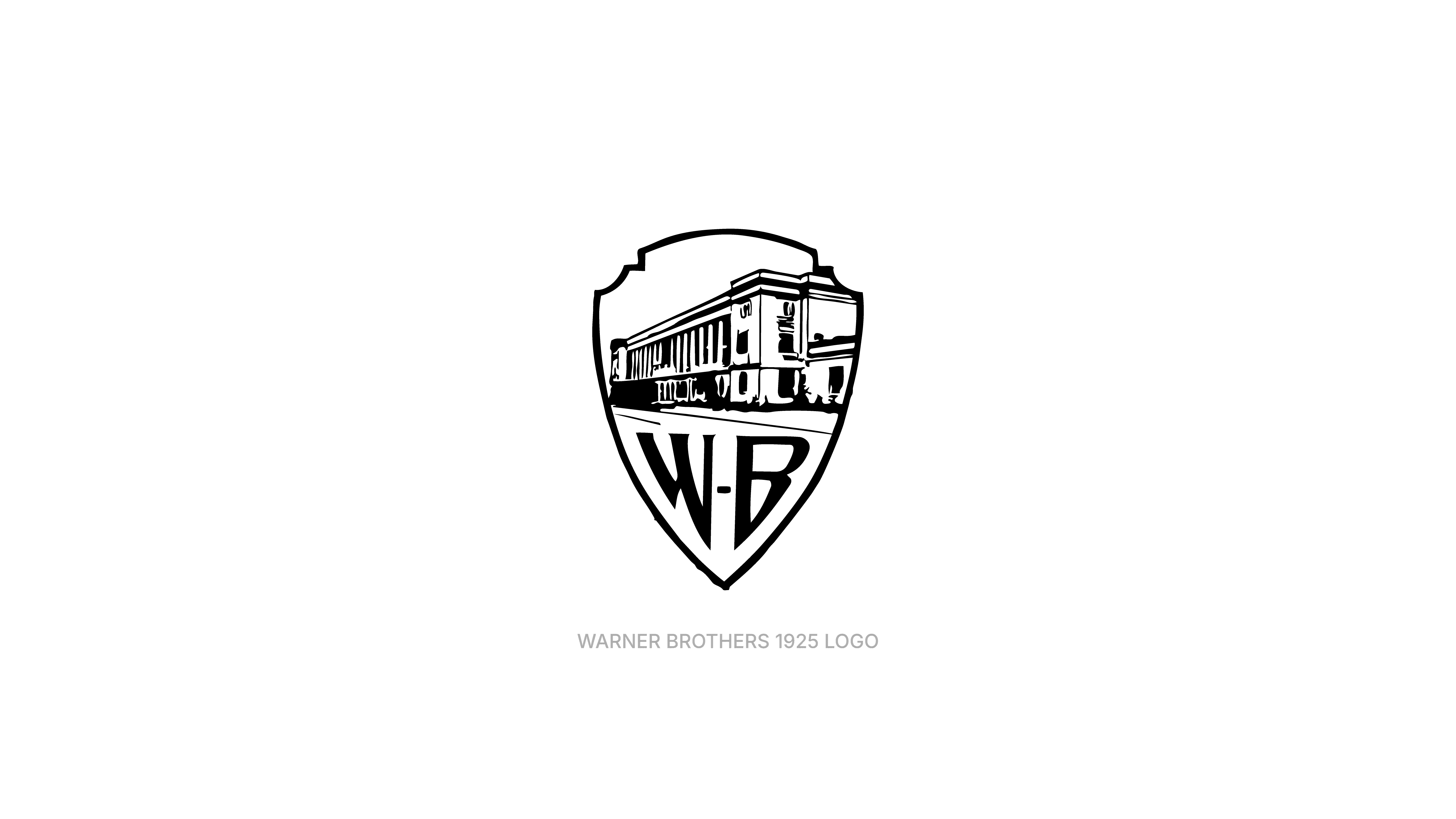
If your brand consistently looks like the “old” one in the line-up, you’re starting one step behind in every interaction.
A good rebrand or refresh should feel current and relevant, but also timeless enough to last several years.
4. Is your brand hard to use day-to-day?
Ask your team:
Do you have 5 different versions of the logo floating around?
Does everything look slightly different depending on who designed it?
Do social posts, decks and documents never quite feel “on brand”?
This usually means you don’t have a strong brand system: clear rules for logo, colors, typography and layout that actually work in real life.
A structured brand refresh or rebrand can make your brand easier to use, instead of a daily headache.
5. Is your brand inconsistent across channels?
Maybe:
your website feels corporate,
your Instagram feels playful,
your pitch deck feels like a different company altogether.
Clients should never wonder if they’re looking at the same brand.
Consistency is how you build brand equity — that quiet recognition that makes people trust you faster. Inconsistency leaks that away little by little.
If every touchpoint looks like it belongs to a different business, it might be time to reset things with a refresh or rebrand.

6. Does your brand sound like everyone else?
Visuals are one side. Voice is the other.
Read your headlines, captions and about page out loud. Could any competitor paste their logo on them and use them as-is?
Red flags:
very generic claims (“we care about quality”, “we innovate”, “we put the customer first”),
no clear reason to choose you vs someone similar,
tone of voice feels safe, flat and forgettable.
Sometimes a messaging and tone refresh is enough. But sometimes you discover the promises and visuals don’t match — and that’s when a rebrand conversation starts.
7. Are you actively losing opportunities because of your brand?
This is the painful one.
Are you or your team a bit embarrassed to send your website?
Have you heard things like “the other option felt more professional”?
Do you feel your product or service is stronger than what your brand suggests?
If your brand is costing you money or opportunities, the question isn’t “Do I need a rebrand someday?” — it’s “How long can we afford to wait?”
How to read your score: rebrand, refresh or stay put?
Now count your answers:
0–2 YES’s → You’re probably fine (for now).
Your brand might just need better applications, a few updated templates or small tweaks (spacing, imagery, typography).
Plan a light brand audit once a year to keep things sharp.
3–4 YES’s → You likely need a brand refresh.
Especially if the YES’s are around:
“looks outdated in the category”,
“hard to use day-to-day”,
“inconsistent across channels”.
Focus on modernizing visuals, tightening the system and making the brand more usable, while protecting what already works (name, core logo, key colors).
5–7 YES’s → It’s time to seriously consider a rebrand.
If you said YES to things like:
business changed a lot,
attracting the wrong people,
losing opportunities,
brand embarrassment internally,
then a cosmetic refresh won’t solve the real issue.
You’re probably looking at a strategic rebranding project: strategy, positioning, messaging and then a new or evolved identity to match.
The goal here is not to scare you into a rebrand, but to help you see if your current brand is still doing its job — or quietly limiting your growth.
How to make sure your rebrand is done the right way
If your score suggests a refresh or rebrand, a few principles will keep you on track:
Start with strategy. Be very clear on who you are, who you serve and why you’re different before talking colors and logos.
Protect your brand equity. Keep what people already recognize and love when it still serves you — a rebrand doesn’t always mean burning everything down.
Design for real life. Make sure your new or refreshed brand actually works on your website, social, packaging, presentations and product, not just in a pretty PDF.
A good rebrand or brand refresh should make your brand feel more like you, easier to use, and more aligned with the level your business is at today.
Final checklist: your 7 questions in one place
Here’s the list you can quickly come back to:
Has your business changed more than your brand?
Are you attracting the wrong people?
Does your brand look clearly outdated in your category?
Is your brand hard to use day-to-day?
Is your brand inconsistent across channels?
Does your brand sound like everyone else?
Are you actively losing opportunities because of your brand?
If you see yourself in several of these, you’re not alone — this is exactly where many small and medium businesses realize “ok, we might actually need a rebrand.”
And if you’re unsure whether it’s a refresh or a full rebrand, talking with a branding studio can help you read your score more clearly and choose the smartest next step; Wink Wink :)