Articles
Great Brands Are Built on Better Decisions
Mar 17th 2026
A lot of brands look good enough. The ones that really stand out usually are not built on better aesthetics alone, but on better decisions.

A good brand can do many things right and still feel a little forgettable. It can have a nice logo, a clean website, and a decent tone of voice, yet still come across as something that could belong to almost anyone. That is usually the real gap.
The difference between good and great brands is often not one big creative breakthrough, but a series of sharper decisions made with more intention.
When we look closely, the brands that grow in value over time tend to make a few decisions better than everyone else. They decide what they want to be known for. They invest where brand equity is actually built. They define creative direction clearly enough that the brand does not drift. And they learn to say no before the brand turns into a pile of mixed signals.
Great brands decide what they want to be known for
One of the biggest problems we see is not a lack of effort. It is a lack of selection.
A lot of brands want to communicate everything at once. They want to feel premium, warm, disruptive, minimalist, approachable, sophisticated, playful, innovative, and timeless, all in the same breath. That usually sounds ambitious, but in practice it creates blur.
A strong brand becomes easier to remember when it chooses a clearer perception to own.
This is where positioning matters. We do not mean positioning as a giant slide deck full of abstract words. We mean the practical decision of what space the brand wants to occupy in people’s minds. What should people immediately associate with it? What quality should feel most obvious?

That decision influences much more than messaging. It affects visual language, verbal tone, photography, offers, partnerships, pacing, and even what the brand should stop doing.
For a small business owner, this usually means choosing one strong lane instead of stacking five weak ones. Maybe the brand is known for calm expertise. Maybe it is known for sharp taste. Maybe it is known for speed and clarity. The exact answer changes from case to case, but the principle stays the same.
If a brand tries to be known for everything, it usually ends up being known for very little.
What this looks like in practice
A founder stops describing the brand with a list of adjectives and starts defining one clear impression to build around.
A service business chooses whether it wants to feel more strategic, more premium, or more approachable instead of blending all three without hierarchy.
A visual identity starts making more sense because it is supporting a point of view, not just decorating one.
Clarity is often more powerful than complexity.
They invest where brand equity is actually built
We tend to talk about branding investment as if it only means money. But money is only part of it. Real investment also includes time, leadership attention, patience, and standards. It includes the willingness to slow down enough to make the right choices instead of approving whatever is fast, cheap, and good enough for now.
That matters because brand equity is cumulative. In simple terms, brand equity is the value a brand builds when people recognize it, trust it, remember it, and are willing to choose it again. That value does not come from random bursts of polish. It comes from repeated quality and repeated coherence.
Great brands usually invest in the parts of branding that compound, not only in the parts that are visible first.
That could mean strategy before aesthetics. It could mean good naming before a rush to launch. It could mean clearer messaging, stronger packaging, better photography, or a website that actually reflects the level of the business. It could also mean building a flexible identity system instead of one pretty moment that falls apart the second the brand needs a second touchpoint.

This is where a lot of good brands stall. They pay for deliverables, but not for direction. They approve assets, but not the thinking that keeps those assets useful over time.
And that usually becomes expensive later. A rushed brand process often creates hidden costs: inconsistent materials, weak recognition, constant redesigns, internal confusion, and teams making taste-based decisions because no one built a better framework.
Creative direction is what keeps a brand from becoming random
This is probably one of the most underrated decisions in branding. Many businesses think that once they have a logo, color palette, and a few templates, the job is done. But assets alone do not create coherence. Files are not direction.
Creative direction is the layer that translates strategy into a recognizable world.
It is the set of decisions that tells us what the brand should feel like, not just what pieces it owns. It covers things like image style, typography attitude, references, composition, pacing, motion behavior, tone, visual tension, and the overall standard of taste the brand wants to hold.
Without that layer, every future decision starts from zero. A social post looks one way. A presentation looks another. The website feels cleaner than the packaging. Campaigns start following trends that do not match the brand. Little by little, the identity stops feeling like a system and starts feeling like a folder.
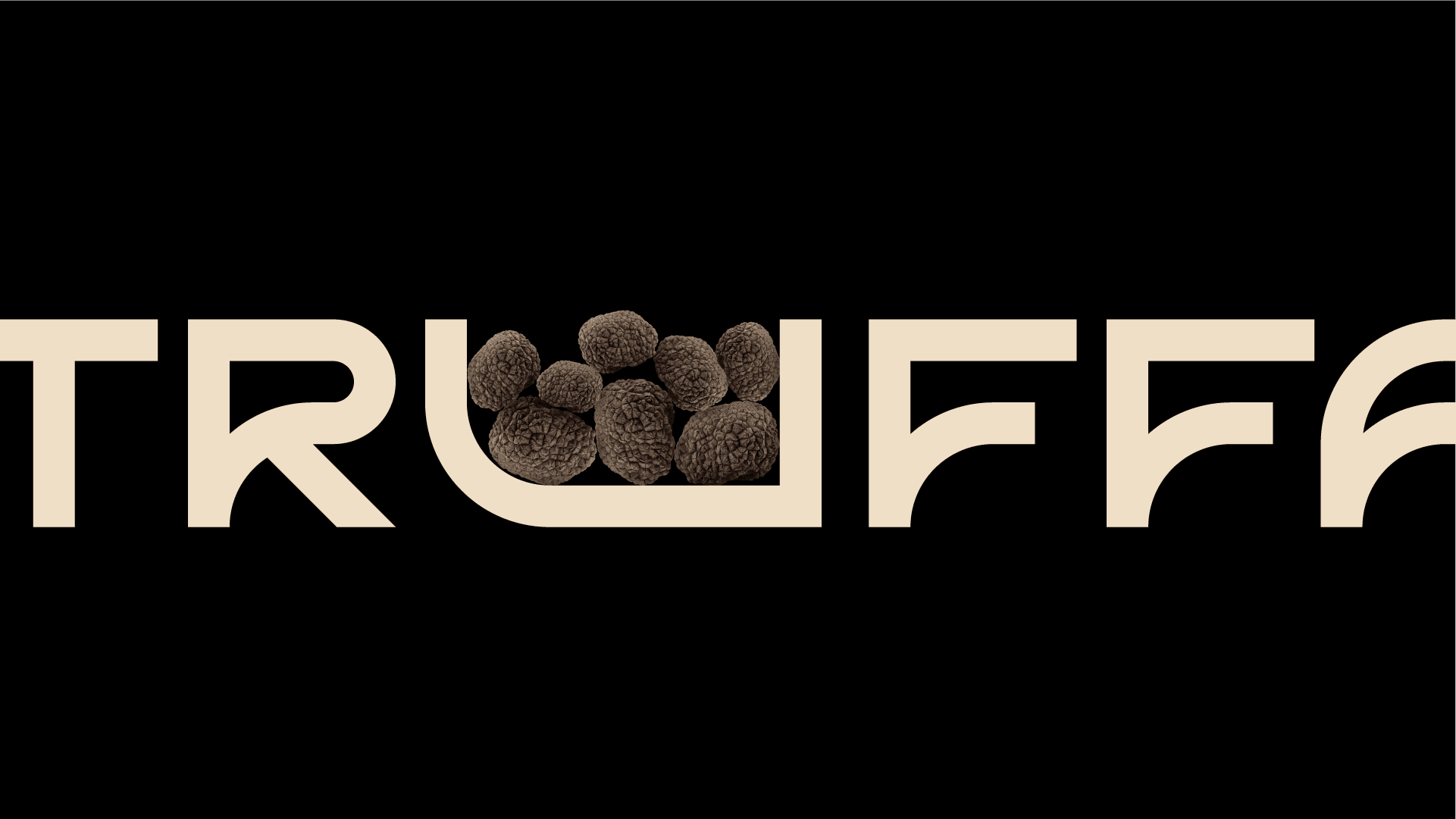
Good creative direction prevents that drift.
It gives teams criteria. It helps collaborators understand the difference between something that is on-brand and something that is merely acceptable. And it makes the brand more scalable because people are not guessing every time they need to create something new.
This is one of the clearest differences between brands that look polished once and brands that stay coherent for years.
Great brands are willing to say no
A lot of brand problems are not caused by a lack of ideas. They are caused by too many unfiltered ones.
Great brands are usually edited brands. They know that every new visual trick, every new tone shift, every trend-inspired adjustment, and every unnecessary expansion puts pressure on recognition.
Strong brands are not only built by what they add. They are also built by what they protect. That means saying no to things that weaken the system.
Sometimes that is obvious, like copying a trend that already feels tired. Sometimes it is subtler, like changing the tone every quarter because the team is bored. Sometimes it is a visual issue, like introducing new styles with no relationship to the identity. Sometimes it is strategic, like expanding the message so widely that the brand loses its center.
This is where consistency is often misunderstood. Consistency does not mean repeating the exact same template forever. It means repeating the right principles often enough that people can recognize the brand across different moments.

Recognition is pattern-based. People remember recurring signals: a certain verbal rhythm, a specific type hierarchy, a signature image treatment, a recognizable pace, a familiar way of framing information. When those patterns keep changing, memory gets weaker.
So saying no is not about being rigid. It is about protecting the signals that are actually doing the work.
For founders, this can be uncomfortable. It means admitting that not every cool idea belongs inside the brand. But that discipline is often what turns a decent identity into a valuable one.
The brands that grow stronger over time make better decisions earlier
When we talk about great brand decisions, we are not really talking about perfection. We are talking about choice quality.
The brands that feel stronger over time usually make a few important decisions earlier and with more conviction. They get clearer about what they want to be known for. They invest in the parts of the brand that actually compound. They define creative direction well enough to keep the system coherent. And they protect that coherence by saying no when needed.
That is often what separates a brand that looks good for a moment from one that keeps building value.
For small businesses especially, this matters because branding resources are rarely unlimited. You usually do not win by doing more. You win by choosing better.
That is also why branding work should not be reduced to aesthetics alone. The real value is often in helping a business make better decisions sooner, with less drift, less waste, and more clarity about what the brand is actually trying to become.
If we were reviewing a brand tomorrow, these are the questions we would start with:
What do we actually want to be known for?
Where are we underinvesting in the brand?
Do we have creative direction, or only scattered deliverables?
What are we still saying yes to that weakens recognition?
Those questions may sound simple, but they usually reveal the whole story.