Articles
Mastering the Rebrand: Strategies for a Seamless Transition
Jul 9, 2023

In the ever-evolving landscape of business, companies often find themselves at a crossroads, contemplating whether it's time for a fresh start. Rebranding, when executed strategically, can breathe new life into a business and open up exciting opportunities for growth. However, it's not a decision to be taken lightly. In this article, we will explore the intricacies of rebranding, from identifying when it's necessary to executing a successful transition, with a focus on real-world case studies that offer valuable lessons
Recognizing the Need for Rebranding
Rebranding is not just about changing a logo or a tagline; it's a comprehensive overhaul of a company's identity. Knowing when it's time to rebrand requires careful consideration and introspection. Here are some common scenarios that may signal the need for a rebrand:
Evolution of the Business: As your company evolves and expands its product or service offerings, your brand should evolve too. A brand that no longer reflects what you do or offer may confuse your audience.
Negative Public Perception: If your brand has suffered reputational damage due to scandals, controversies, or outdated values, rebranding can help you distance yourself from the past and rebuild trust.
Stiff Competition: In a competitive market, standing out is essential. A rebrand can help you differentiate yourself and gain a competitive edge.
International Expansion: Going global may require a rebrand to adapt to different cultural nuances and languages while maintaining a cohesive identity.

Strategies for a Successful Rebrand
Once the decision to rebrand is made, the next step is to plan and execute the transition smoothly. Here are some strategies to ensure your rebranding efforts are successful:
1. Define Clear Objectives & Involve Stakeholders : Before embarking on a rebranding journey, establish clear objectives. What do you aim to achieve through this process? Whether it's increased market share, better brand alignment, or a new target audience, having specific goals will guide your efforts. Engage employees, customers, and other stakeholders in the process. Their input can provide valuable insights and ensure a smoother transition. It also helps in building support for the rebrand.
2. Conduct Market Research: Thoroughly research your target market, competitors, and industry trends. Understanding market dynamics will help you make informed decisions about your new brand identity.
3. Develop a Cohesive Brand Identity & Test: A successful rebrand involves more than just a new logo. It encompasses your company's values, messaging, visuals, and overall brand experience. Ensure that all elements work together cohesively to convey your desired image. Before fully implementing the rebrand, conduct tests and gather feedback. This allows you to fine-tune your approach and address any potential issues proactively.
4. Plan the Rollout: Timing is crucial when unveiling your new brand. Plan a well-coordinated rollout across all channels, from your website and social media to physical assets like signage and packaging.
Learning from Successful Rebrands
Several notable brands have successfully navigated the challenging terrain of rebranding. Let's look at a few case studies and the lessons they offer:
Starbucks: Evolving the Siren
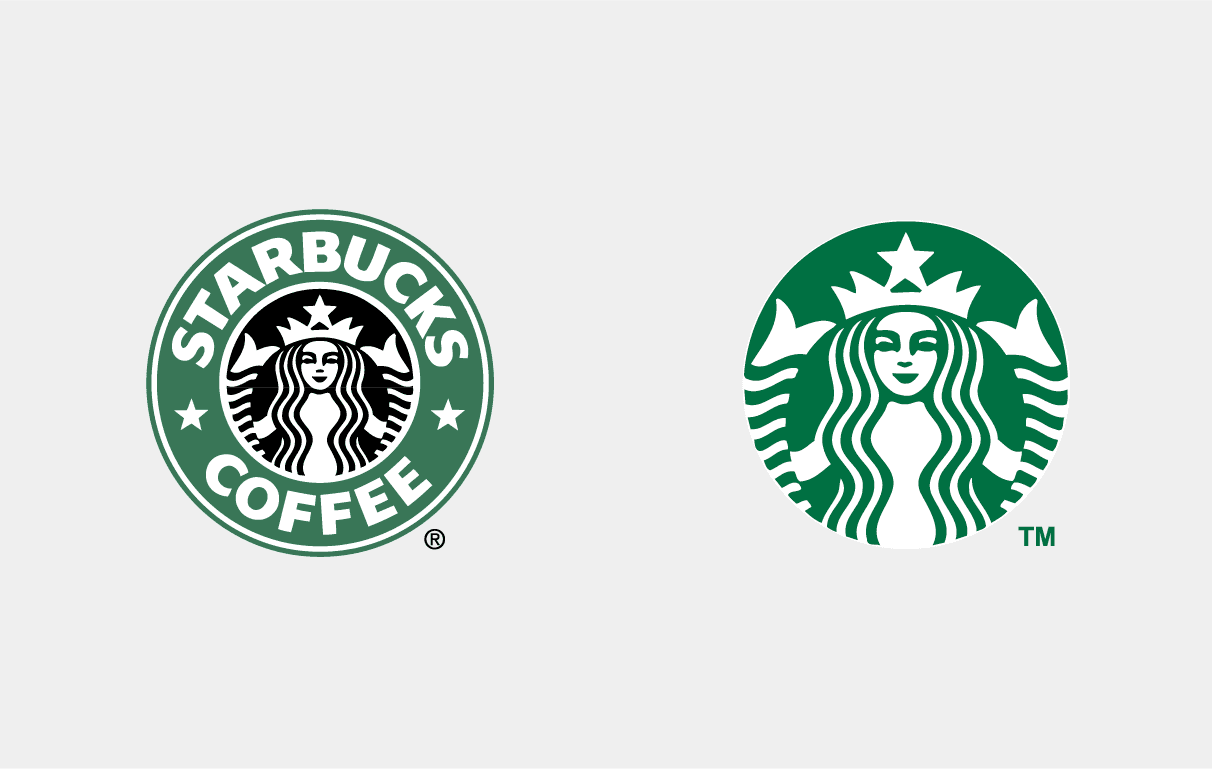
Starbucks, the global coffeehouse chain, decided to modernize its brand in 2011. The company's logo had remained largely unchanged since its inception in 1971. Starbucks removed the encircling text and the company name, leaving only the iconic siren figure in green. This simplified logo allowed for more versatility in branding applications. The company retained its signature green color but adjusted the shade to a slightly brighter and more vibrant green.
Starbucks' logo redesign was a bold move that signaled the company's confidence in its brand recognition. The simplified logo allowed for greater adaptability across various products and locations, and the slight color adjustment maintained brand continuity while freshening up the look.
Instagram: A Vibrant Evolution
Instagram, the popular photo-sharing platform, unveiled a new logo and app design in 2016 as part of a broader rebranding effort. Instagram transitioned from its original skeuomorphic camera icon to a more minimalist and abstract icon. The new icon featured a colorful gradient, signifying the app's diverse and vibrant user community. The app's interface was also updated to incorporate a black-and-white design, allowing user-generated content to take center stage.
Instagram's rebranding aimed to reflect the platform's evolution from a photography app to a dynamic and diverse social network. The new logo and design changes received mixed reactions but effectively conveyed a sense of change and modernity.

Slack: A modern Logo for a Modern Workplace
Slack, the workplace communication platform, updated its logo in 2019 to reflect its evolving identity. Slack introduced a simpler, more streamlined logo that removed the distinctive hashtag symbol (#) and opted for a more cohesive design. The new logo aimed to be more versatile across different applications. Slack retained its signature colors, including various shades of blue, while refreshing the color scheme slightly. Slack's logo redesign aimed to make it more recognizable and versatile, especially in digital contexts. The company's refreshed visual identity helped it maintain its position as a leading workplace communication platform in a competitive market.