Articles
What to Expect When Working With a Branding Agency
Jan 13th 2026
Working with a branding agency shouldn’t feel like a gamble. Here’s what actually happens, what’s normal, and what you should expect before you hire one.
f you’ve never worked with a branding agency before — or if you have and it felt messy — it’s completely normal to feel unsure about what should happen. Branding isn’t like buying a template or ordering a logo. It’s a collaborative process that involves thinking, discussion, and decisions.
This article isn’t here to hype agencies or scare you off. We’re simply laying things out as they usually are. What the process tends to look like, what you should walk away with, what your role actually is, and how to recognize when things are on the right track.
The Invisible Part of Branding (What No One Tells You Upfront)
Before getting into processes and deliverables, there’s something worth saying out loud.
Branding rarely feels clear at the beginning. There are moments where ideas are explored, questioned, adjusted, or even discarded. That doesn’t mean the project is drifting — it means decisions are being shaped.
Good branding asks uncomfortable questions. It brings long-postponed conversations to the surface. And that takes time, back-and-forth, and a bit of patience from everyone involved.
Branding isn’t instant clarity — it’s earned clarity.
Sometimes things move quickly because the problem is already well defined. Other times they don’t. What matters isn’t the speed, but whether decisions are grounded in clear thinking rather than guesswork.
What Actually Happens in a Branding Project
Every studio works a little differently, but most solid branding projects follow a similar rhythm.
They usually start with discovery and alignment. This is where the agency tries to understand your business, your audience, your market, and your constraints. Expect questions. Expect conversations that feel more strategic than visual. This phase can feel slow, but it’s doing important work behind the scenes.
From there, things move into strategic framing. Inputs get translated into direction: what the brand needs to communicate, where it should sit in its category, and what criteria will guide decisions going forward.
Next come conceptual directions. Instead of jumping straight to a final logo, good agencies explore different brand territories or approaches. These aren’t just design options — they’re different ways the brand could behave and position itself.
After that, iteration and refinement take over. Feedback loops, revisions, and adjustments are part of the process. Progress happens through conversation, not instant approval.
Finally, there’s system definition and preparation for delivery. Decisions are organized, formalized, and turned into something you can actually use.
Strong branding is built in layers, not revealed in a single presentation.
The Unsexy But Important Stuff: Money, Contracts, and Timing

As creative as branding is, there’s also a practical side to it.
You should expect a clear proposal that explains what’s included, how the project is structured, and roughly how long things will take. This isn’t about bureaucracy — it’s about making sure everyone is aligned from the start.
There’s usually a contract or written agreement too. It covers things like scope, revision rounds, ownership, and usage rights. It might not be exciting, but it avoids confusion later.
On the money side, branding projects typically involve invoices tied to phases or milestones, not vague lump sums. Payment structures vary — some are upfront, others are split — but they should always be easy to understand.
Timelines should feel realistic. Good agencies leave room for feedback, iteration, and decision-making, and they’re upfront about what happens if things shift along the way.
Structure doesn’t slow projects down — it keeps them healthy.
Your Role as a Client (Yes, You’re Part of the Process)
Branding works best when it’s a collaboration.
Your role isn’t to design the brand yourself, but to provide context, clarity, and honest feedback. That means explaining what feels right or wrong — and why — instead of reacting purely on taste.
It also means making decisions. Branding can’t move forward if everything stays open-ended forever. Trusting expertise while staying engaged is what makes the process work.
Feedback isn’t about control. Involvement isn’t micromanagement. When both sides understand that, the work gets better.
What You Should Receive at the End of a Branding Project
When a branding project wraps up, the outcome shouldn’t be a random folder of files.
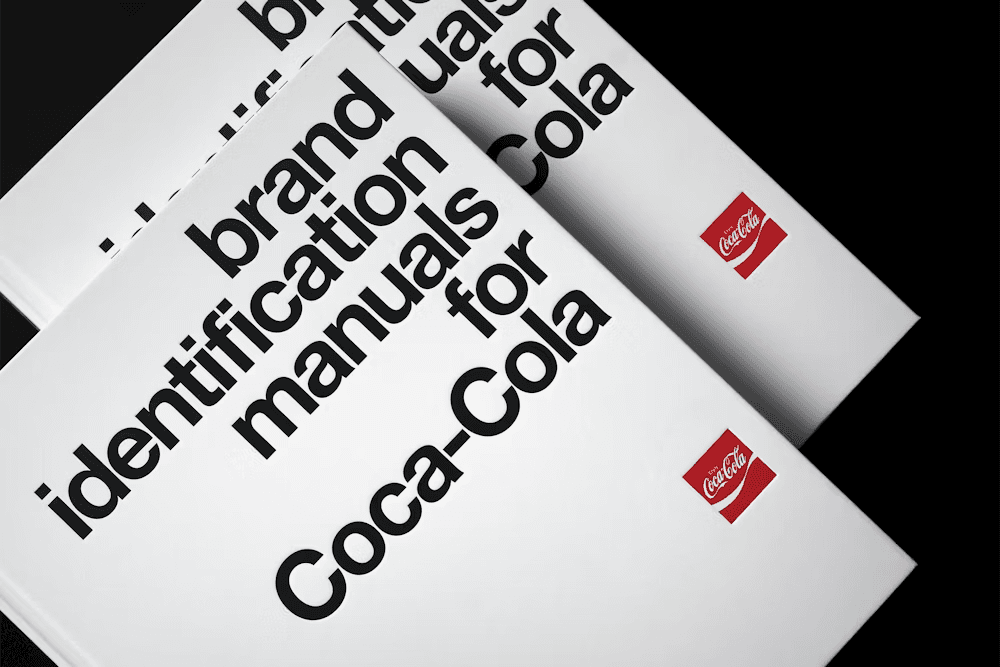
Most agencies deliver a brand book or brand guidelines. This is what turns decisions into something usable and consistent.
Inside, you’ll usually find:
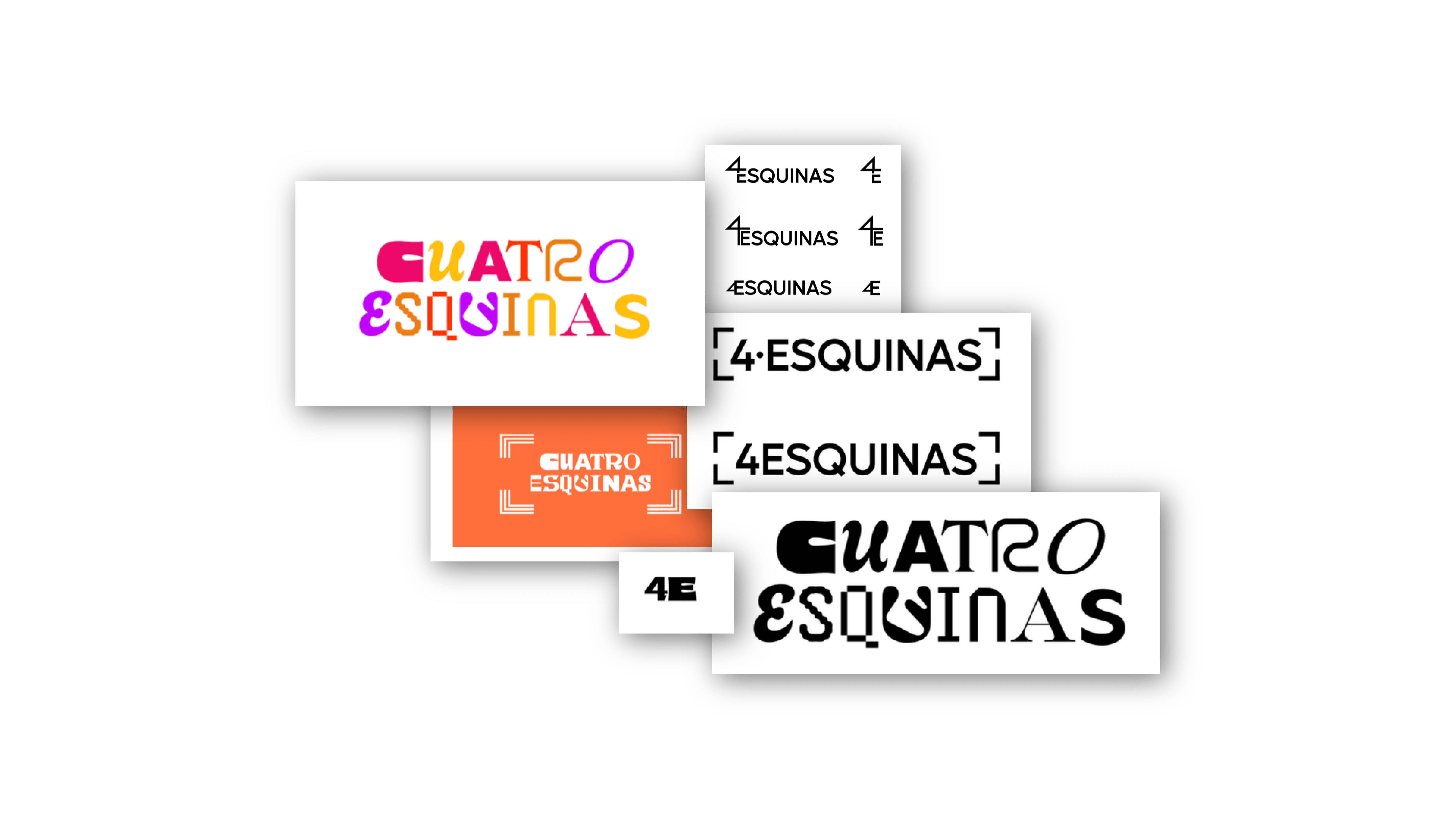
A logo system and usage rules
A color system that explains roles, hierarchy, and contrast
A typography system with clear hierarchy
Basic applications and examples
Amongst other things
Alongside that, you should receive clean, organized final assets in different formats, prepared for real-world use — not just presentation slides.
The real output of branding is a system you can use confidently, not just visuals you like.
Red Flags and Green Flags When Working With a Branding Agency
Once you know what’s normal, it becomes easier to evaluate what you’re seeing.
Green flags include a clear process, decisions that are explained rather than just shown, proper documentation, and a willingness to push back when something doesn’t make sense.
Red flags tend to look like vague scope, unclear deliverables, no written agreements, or overpromising speed and certainty. Defensive reactions to reasonable questions are another warning sign.
None of these guarantee success or failure on their own, but patterns matter.
Closing
Working with a branding agency shouldn’t feel like a gamble. When expectations are clear, the process becomes far more collaborative — and far less stressful.
Knowing what to expect helps you choose better, participate better, and ultimately get more value from the work. This is the standard we believe branding projects should meet — and how we approach them ourselves.